
Space HDRI skies
- 8 published HDRIs sit in the Space category.
- Prices range from $9.90 to $25 per variant.
- Formats include equirectangular files up to 20000px wide and 6-tile cubemaps at 2048px or 4096px per face.
- The set covers plain star fields plus variants with a sun, planet, galaxy and nebula.
This collection covers HDRIs of star fields and deep-space elements, shot from one core scene (HDR 180) with variants adding a sun, planet, galaxy or nebula. They light scenes with no ground and no atmosphere.
Products
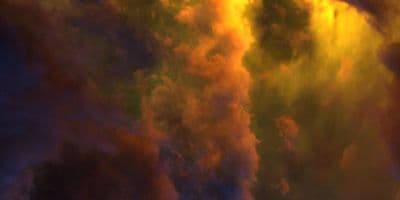
HDR 180-8 Space Sky with Nebula
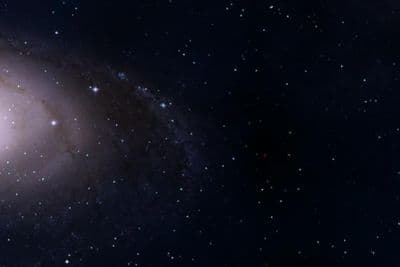
HDR 180-5 Space Sky with Galaxy
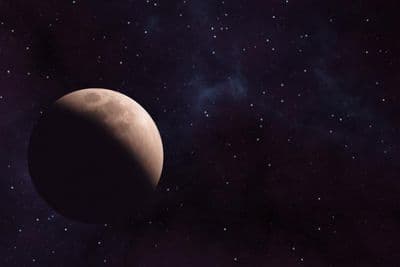
HDR 180-6 Space Sky with Planet
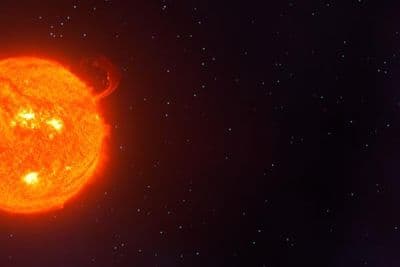
HDR 180-7 Space Sky with Sun
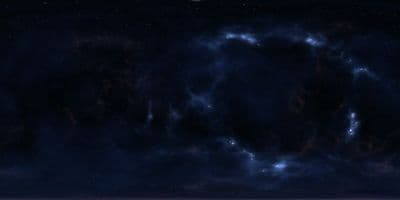
HDR 180-4 Space Sky and Stars
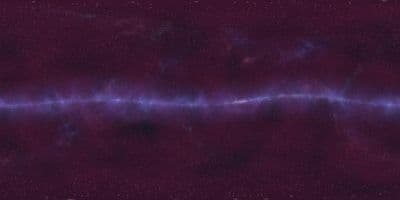
HDR 180-3 Space Sky with Stars + Milky Way
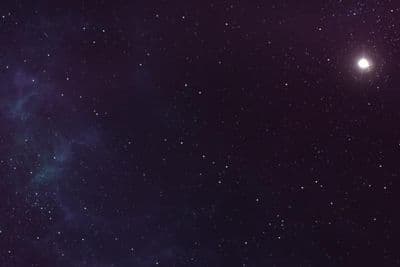
HDR 180-2 Space Sky and Stars
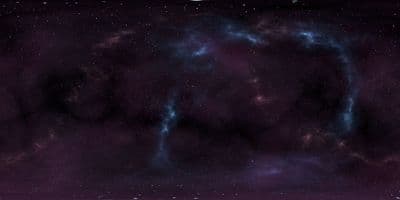
HDR 180-1 Space Sky and Stars
What is in this collection
8 published HDRIs sit in the Space category. Prices range from $9.90 to $25 per variant. Formats include a standard equirectangular panorama up to 20000px wide, and a 6-tile cubemap version at 2048px or 4096px per face for engines that prefer cubemaps over a single spherical image. Examples: HDR 180-1 Space Sky and Stars, HDR 180-6 Space Sky with Planet and HDR 180-8 Space Sky with Nebula.
When to use space HDRIs
- Spacecraft, satellite or space station renders needing a starfield background with no ambient sky light.
- Sci-fi product presentations that put an object against deep space instead of a studio backdrop.
- Game or real-time engine skyboxes, using the cubemap variant to avoid the seam and pole distortion of an equirectangular map.
- Compositing work where the sun, planet or nebula variants let a single base scene be dressed differently per shot.
Rendering notes
Space HDRIs mainly supply background and faint fill light rather than a strong key light, since there is no sun disc bright enough to define hard shadows unless the sun variant is used; add a separate directional light for the main illumination on any spacecraft or object in frame. The cubemap format renders each of the 6 faces independently, so it maps directly onto a game engine's skybox without the reprojection an equirectangular file needs.